




Housing for All: Understanding the Pradhan Mantri Awas Yojana (PMAY)
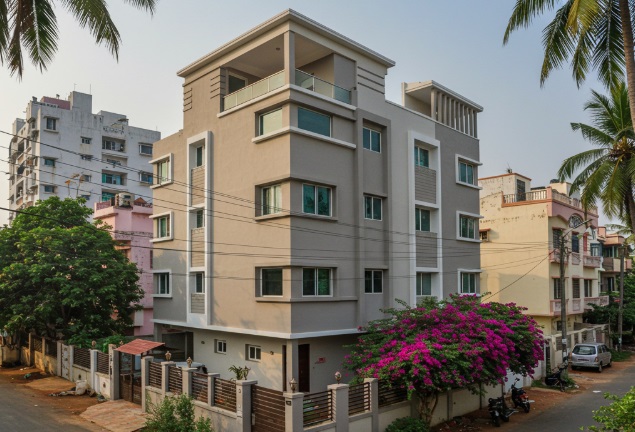
The Pradhan Mantri Awas Yojana (PMAY) is a big plan by the Indian government, started in 2015, to help people in cities and villages get their own proper houses (called “pucca” houses). Think of it as a mission to make sure everyone has a safe and affordable place to live.
There are two main parts to PMAY:
PMAY-Urban (PMAY-U): This focuses on people living in towns and cities who don’t have a solid house.
The goal is to build homes with basic needs like water, electricity, a kitchen, and a toilet. Importantly, the house or the land it’s on is often in the woman’s name or jointly with her husband, which helps empower women. This part of the scheme also gives priority to people living in slums and those with lower incomes.
The government aims to help 1 crore more families in cities get homes in the coming years.
PMAY-Gramin (PMAY-G): This part aims to provide proper houses to families living in poor, temporary houses (“kutcha” houses) or those who don’t have any house in rural areas. It also links up with other government plans to provide things like electricity, clean water, cooking gas, and toilets.
The cost of helping someone build a house is shared between the central and state governments. The government plans to assist about 5 crore families in villages with basic housing by 2029.
How Does PMAY Help?
PMAY offers different kinds of help, like: Giving money to people living in slums to build new houses where their slums are. Providing money off the interest when people take out home loans. Working with private companies to build affordable housing projects. Giving money to families with low incomes to build their own homes on their own land. Even turning empty government buildings into affordable rental homes for workers and the poor.
Having their own house through PMAY gives people more than just shelter. It improves their lives by providing better safety, health, education, and overall well-being. It also helps reduce the number of slums in cities by giving those residents proper homes. The money for building these houses is sent directly to people’s bank accounts, making the process more transparent.
Who Can Get a PMAY House?
To get help from PMAY, you need to meet certain conditions, like your income and whether you already own a proper house. For the urban scheme, it’s mainly for people with lower incomes, slum dwellers, and those in certain categories like Scheduled Castes/Tribes and women. For the rural scheme, it’s for families living in poor housing conditions based on a government survey.
Applying for PMAY:
You can apply for PMAY online through the official websites or offline by visiting government centers like Common Service Centres in cities or your local Gram Panchayat in villages. You’ll need documents like your Aadhaar card (a unique ID), income proof, and bank details.
PMAY is a significant effort by the Indian government to ensure that everyone has a decent place to live, which is a basic need for a good life. As of early 2025, a lot of houses have already been approved and completed under this scheme, making a real difference in the lives of millions of people.





Leave a Reply