




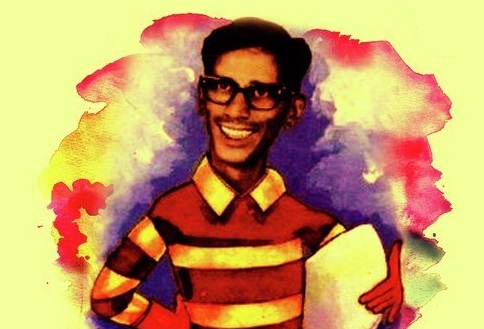
Dimili Podugumanishi: A Pioneer of Telugu Folk and Humorous Songs
The name Dimili Podugumanishi may not be widely recognized today, but about 50 years ago, it was immensely popular. This moniker belonged to Surumalla Sanjeeva Rao, a master of humorous, catchy folk, witty, and parody songs. Born in 1935 in Dimili village, Sarvasiddhi mandal, Visakhapatnam district, Sanjeeva Rao’s journey from a traditional musician to a celebrated folk artist is a enduring proof to his innovation and talent.
Dimili, originally known as Divvela, emerged centuries ago as a commercial port town, located 6 km from Yelamanchili in Visakhapatnam. The name “Divvela” (lamps) is believed to have originated from the use of tall lamp posts as signals for ships. Before sea voyages, the people of Visakhapatnam would worship Ratnakaraswamy, whose temple still stands in Teruvupalli village, near Dimili.
From Veerana Player to Folk Innovator
Sanjeeva Rao’s ancestors in Dimili earned their livelihood by playing the Veerana, a drum-like instrument. He inherited this mastery but sought to elevate the art form. Initially, he performed at weddings in his village and surrounding areas, playing the Veerana and composing tunes for old folk songs. However, a pivotal moment arrived when he decided to compose and set tunes to his own songs. This experiment proved unexpectedly successful, marking the beginning of his unique artistic journey.
The Rise of a Humorous Bard
Sanjeeva Rao’s humorous songs quickly drew crowds. His unconventional appearance, coupled with the useful and educational content of his lyrics, garnered government attention. He continued to innovate, notably by writing parody songs for film tunes. His parody ‘Aatochindi Bracket Aatochindi,’ which highlighted how the game of “bracket” could lead to families being thrown onto the streets, became exceptionally popular. Those who knew him recall the significant positive change he brought about in society through his music.
The Name That Stuck: Dimili Podugumanishi
Sanjeeva Rao’s remarkable height, approximately six feet five inches, led people to affectionately call him “Dimili Podugumanishi” (the tall man of Dimili). This name eventually became synonymous with his identity. His performances became a staple at festivals and pilgrimages across Uttarandhra. He revolutionized Telugu folk literature, particularly with his song ‘Rangamellipoyanu Narayanamma.. Rangoonupuram Chusanu Narayanamma,’ a poignant narrative for migrant workers who traveled to Burma for their livelihood. This song set new records in private song popularity.
Social Commentary Through Song
Beyond entertainment, Sanjeeva Rao used his music for social commentary. His song ‘Godamudi Bommana Jhoddha Godavalenno Priyanu. Padu Cinema Paper Jhoddha Paruvantha Poindamma’ boldly criticized the fake villainy, semi-nude scenes, vulgar dialogues, and dirty tricks prevalent in movies, clearly demonstrating his disdain for poor cinema. While some of his compositions also included double meanings, he was careful not to cross boundaries. Remarkably, he even composed a humorous song, ‘Mandhulodaa ori mayaloda..’, cautioning young girls about eve-teasers and rogue boys, a message that remains relevant today.
Wedding Songs and Unrivaled Demand
Sanjeeva Rao was highly sought after for wedding songs. He is credited with changing the trend of private songs and demonstrating their power to rival film songs. There was hardly a subject he didn’t touch, from the “Rangoon letter” and “drug song” to “Harikatha comic,” “11 corpse story,” “paper news,” “city bus,” “promissory note,” “Tirupati Yatra,” “Rajahmundry Pushkarala Vinta,” “Kollai song,” and “supermarket comedy.”
The Theatrical Artist
Sanjeeva Rao’s growing popularity spurred further experimentation. He believed that an artist’s appearance, especially for comedians, was crucial. He often changed his getups, wearing a Shurwa kameez with an artificial mustache, glasses without lenses and a plastic nose, or a high turban. In a memorable event, the villagers of Dimili officially bestowed upon him the title of “Podugumanishi” in memory of their village head, Nagireddy Joginaidu, recognizing his artistic contributions.
National Recognition and Gramophone Records
Podugumanishi’s fame transcended state borders, reaching Telugu communities in cities like Calcutta, Tata, and Kharagpur. In the 1960s, organizers would pay him up to Rs. 500 for a program—a significant sum for the time. Representatives from HMV Gramophone Records recognized his talent, invited him to Chennai (covering all expenses), and subsequently released ten gramophone records of his songs. This was a rare honor for a local artist who was not associated with the film industry, solidifying his legacy as a true pioneer.
The long-legged man was known for cracking witty jokes while singing songs, and for his rapid-fire, “bullet-like” humor. Many filmmakers used his words and songs without giving him credit. For instance, when he sang, ‘Ni Gottam Phentu Chusi Bulloda…. Ni Terln Buskotu Chusi Pillodo ‘, a director altered the words and used them in a film. During Indira Gandhi’s tenure as Prime Minister, the Congress Party even utilized his services to promote its Twenty-Point Plan.
However, the philosophy of staying humble, no matter how high one rises, was truly embodied by the long-legged man, Sanjeeva Rao. Having experienced the pains of hunger himself, he never refused to help those who sought his assistance, often advising them against other addictions. He also made many secret donations. Yet, fate was harsh. The tall, thin man, who dedicated his life to constant, breathless performances, tragically passed away at the age of only forty-five on February 23, 1980, succumbing to the severe depression caused by tuberculosis.




Leave a Reply