




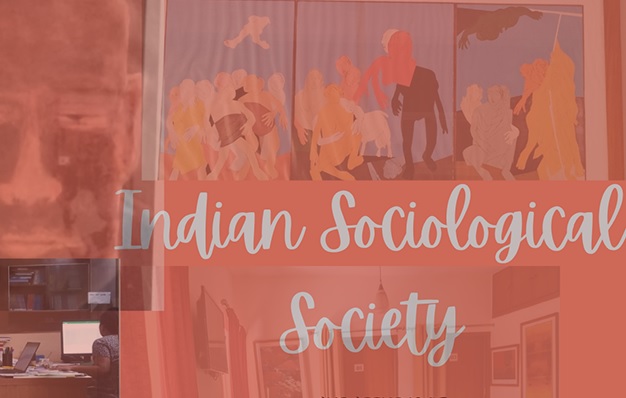
The Evolution of the Indian Sociological Society (ISS)
The Indian Sociological Society (ISS), a cornerstone of Indian sociology, was established in 1951 in Bombay with 107 members. Its formation was spearheaded by G. S. Ghurye of the University of Bombay, leading to the launch of its biannual journal, the Sociological Bulletin, in 1952. Simultaneously, sociologists like R. K. Mukerjee and D. P. Mukerjee in Lucknow founded the All-India Sociological Conference (AISC), holding its first conference in 1955.
In the mid-1960s, a significant merger occurred: the ISS and the AISC united. This consolidated body held its first conference in Bombay in October 1967, inaugurated by Ghurye, with M. N. Srinivas elected as the new President. Following this, the Society’s office shifted to the University of Delhi, where Srinivas was based. The merged Society began regularly organizing the All-India Sociological Conferences (AISC) alongside publishing the Sociological Bulletin.
With the expansion of higher education, the Society’s membership grew significantly, reaching 6694 life members by January 2025. A key milestone was successfully organizing the XI World Congress of Sociology in Delhi in 1986. In 1989, the ISS established a national office in New Delhi, operating from the Institute of Social Sciences until it moved to its own premises in Vasant Kunj in March 2017. The ISS now publishes three journals and a newsletter. The Sociological Bulletin, one of the oldest professional social science journals in India, became a quarterly publication in 2004 and has been published by Sage Publishers since 2017.
The AISC has been held annually since 1993. The Society’s major academic work is facilitated through 34 thematically organized Research Committees (RCs), which also hold online lectures. The Society honours its predecessors with endowments in memory of M. N. Srinivas and Radha Kamal Mukerjee, including an annual prize for young sociologists and the Lifetime Achievement Award (instituted in 2005). The ISS also maintains an Ethics Code to guide sociologists in their professional responsibilities. The Society today conducts all its communication, including membership and voting, online.
Visit: insoso.org







Leave a Reply