




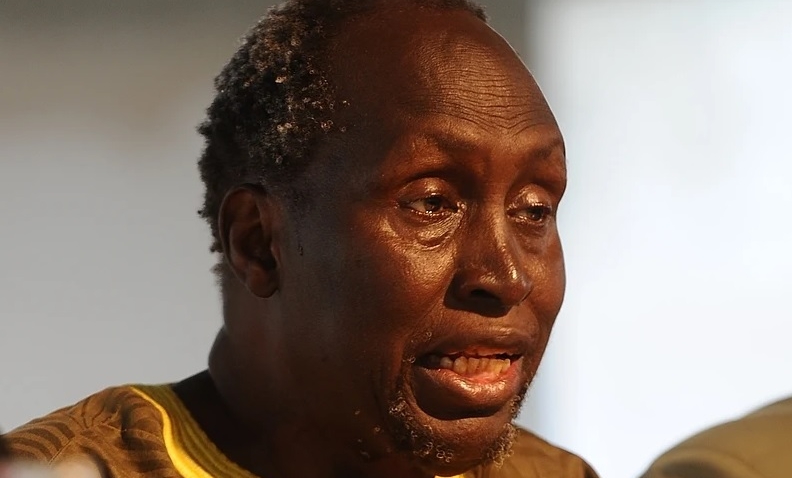
Ngũgĩ wa Thiong’o: A Life of Letters and Liberation
Ngũgĩ wa Thiong’o, a literary giant from Kenya, passed away on May 28, 2025, in the United States at the age of 87, as announced by his daughter. His death marks the end of an era for African literature, leaving behind a legacy of powerful storytelling and fierce advocacy for indigenous languages. Born James Thiong’o Ngũgĩ in 1938 during British colonial rule, his early life was marked by the hardships of the Mau Mau uprising, including the tragic death of his deaf brother.
Despite these challenges, he pursued education, eventually attending Makerere University in Uganda. His debut novel, Weep Not, Child, published in 1964, was the first major English-language novel by an East African, quickly followed by other acclaimed works like A Grain of Wheat. A pivotal moment in Ngũgĩ’s career came in 1977 when he renounced his colonial name, James, and vowed to write primarily in his mother tongue, Kikuyu. His last English novel, Petals of Blood, criticized Kenya’s post-colonial leadership.
That same year, his play Ngaahika Ndeenda led to his imprisonment without trial. It was in prison that he wrote his first Kikuyu novel, Devil on the Cross, reportedly on toilet paper. After his release, Ngũgĩ went into self-imposed exile, eventually settling in the US. Throughout his life, he was a vocal proponent of African languages, arguing in his influential essay collection Decolonising the Mind that writing in European languages continued colonial subjugation.
He championed translation between African languages and challenged the notion of “tribe” for African communities. Though he faced personal challenges, including health issues and family disputes, Ngũgĩ wa Thiong’o remained a guiding light in African literature, a “language warrior” who tirelessly fought for the voice and identity of his continent.
Image: Wikipedia







Leave a Reply